
Slip and fall accidents at Illinois retail stores are often caused by preventable hazards such as wet floors, spilled merchandise, uneven walking surfaces, poor lighting, and inadequate maintenance. Retail stores have a legal duty to maintain reasonably safe conditions for customers, employees, and other visitors. When hazards are not addressed promptly, serious injuries can occur.
Although many people think of slip and fall accidents as minor incidents, these accidents can result in broken bones, head injuries, back injuries, and other medical complications. Understanding why slip and fall accidents happen and when a store may be responsible can help injured individuals protect their rights after an accident.
If you were injured in a retail store accident, Chute, O’Malley, Knobloch & Turcy can help you understand your legal options. Call 312-775-0042 to discuss your situation with an experienced attorney.
Key Takeaways
- Slip and fall accidents at Illinois retail stores are often caused by wet floors, poor maintenance, and unsafe walking conditions.
- Retail stores may be liable when they fail to identify, repair, or warn customers about dangerous conditions.
- Falls can cause serious injuries that require extensive medical treatment.
- Evidence such as photographs, surveillance footage, and witness statements can strengthen a claim.
- Prompt medical treatment and accident reporting can help protect your rights.
- Not every fall leads to liability, but many retail store injuries involve preventable hazards.
What Causes Most Slip and Fall Accidents at Illinois Retail Stores?
Most slip and fall accidents at Illinois retail stores occur because of hazardous conditions that create unexpected dangers for shoppers. Common causes include wet floors, spilled liquids, recently mopped surfaces, uneven flooring, damaged sidewalks, poor lighting, cluttered aisles, and weather-related hazards near entrances. When a store knew or should have known about a dangerous condition and failed to address it, the business may be liable for resulting injuries.
Retail stores are busy environments where conditions can change throughout the day. Hundreds or even thousands of customers may pass through a store daily, increasing the likelihood that hazards will develop between routine inspections. A spill may occur in a grocery aisle, merchandise may fall into a walkway, or water may be tracked inside during bad weather. These conditions can quickly become dangerous if employees fail to identify and correct them.
Many accidents occur because shoppers are focused on products, signs, displays, or locating items rather than scanning the floor for hazards. Retail stores understand this reality and are generally expected to take reasonable steps to keep customer areas safe. When hazards remain unaddressed for an unreasonable period of time or adequate warnings are not provided, the risk of a serious slip and fall injury increases.
Why Are Slip and Fall Accidents So Common in Retail Stores?
Retail stores experience constant foot traffic throughout the day. Customers, employees, delivery personnel, and vendors all move through the property, creating conditions where hazards can develop quickly.
Unlike many other businesses, retail stores frequently deal with:
- Spilled liquids
- Dropped merchandise
- Shopping cart traffic
- Changing floor conditions
- Weather-related hazards
- Heavy customer traffic
Because these conditions can change rapidly, store owners and employees must regularly inspect the premises and address hazards before they cause injuries. When inspections are not performed consistently or hazards are ignored, the risk of accidents increases.
Are Wet Floors the Leading Cause of Retail Store Falls?
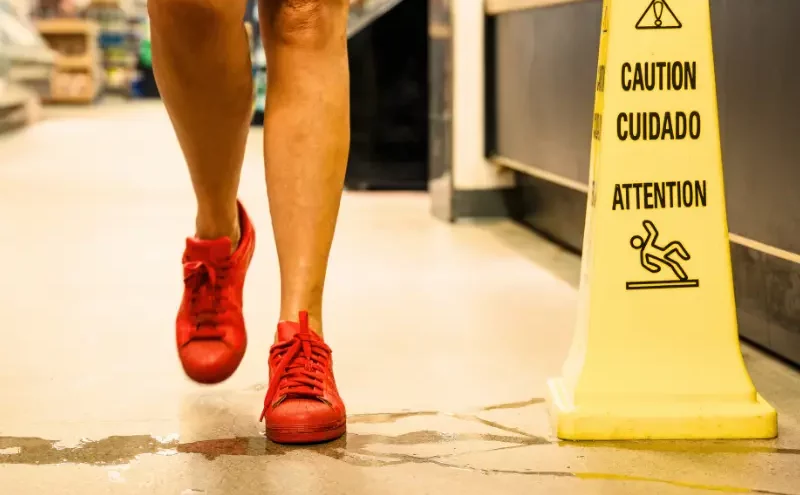
Wet floors are among the most common causes of slip and fall accidents in retail environments.
Hazards may arise from:
- Spilled drinks
- Leaking refrigeration units
- Recently mopped floors
- Weather-related moisture
- Cleaning activities
- Plumbing leaks
Many accidents occur when customers do not realize a walking surface is slippery until it is too late to avoid a fall.
If you slip on a wet floor with no sign warning customers about the hazard, the store may face liability depending on the circumstances and whether employees had sufficient time to identify and address the condition. Warning signs, prompt cleanup procedures, and routine inspections often play an important role in preventing these accidents.
How Do Uneven Walking Surfaces Cause Falls?
Not all slip and fall accidents involve slippery floors.
Many injuries occur because of:
- Cracked flooring
- Loose tiles
- Torn carpeting
- Uneven pavement
- Damaged sidewalks
- Deteriorating walkways
These hazards can create tripping risks that may not be obvious to shoppers. When flooring defects are allowed to remain for extended periods, property owners may be held responsible if someone is injured. Regular inspections and maintenance programs can reduce these risks.
Can Cluttered Aisles Create Dangerous Conditions?.
Retail stores often receive shipments throughout the day, and merchandise may be temporarily stored in customer areas.
Common aisle hazards include:
- Boxes
- Display materials
- Extension cords
- Inventory carts
- Fallen merchandise
- Packaging materials
When aisles become obstructed, customers may be forced to navigate around hazards or may not see obstacles until they are directly in their path. Stores should keep walkways reasonably clear and address hazards promptly to reduce accident risks.
Does Poor Lighting Contribute to Slip and Fall Accidents?
Lighting plays a critical role in customer safety. Many falls occur because hazards are difficult to see in poorly illuminated areas. Slip and fall accidents may be caused by poor lighting when customers cannot identify obstacles, uneven surfaces, or dangerous walking conditions.
Areas where lighting problems frequently arise include:
- Parking lots
- Stairwells
- Entryways
- Storage areas
- Exterior walkways
Adequate lighting helps customers identify hazards before accidents occur and allows businesses to maintain safer premises.
What Role Does Weather Play in Retail Store Falls?
Illinois weather frequently contributes to slip and fall accidents. Rain, snow, ice, and slush are often tracked into retail stores by customers entering the building.
Common weather-related hazards include:
- Wet entrance floors
- Snow-covered walkways
- Ice accumulation
- Water pooling near entrances
- Slippery mats
Property owners are generally expected to take reasonable steps to address foreseeable weather-related dangers.
This may include:
- Placing floor mats
- Using warning signs
- Removing snow and ice
- Conducting additional inspections during inclement weather
Failure to implement these precautions can increase liability risks.
Can Escalators and Elevators Cause Fall Injuries?
Retail stores that contain elevators and escalators may expose customers to additional risks. Mechanical failures, maintenance issues, and unsafe conditions can contribute to elevator and escalator injuries that result in falls or other serious accidents.
Examples include:
- Sudden stops
- Uneven leveling
- Handrail malfunctions
- Slip hazards near entrances
- Mechanical defects
These incidents may involve liability questions that extend beyond the retail store itself and may include maintenance companies, manufacturers, or other responsible parties.
When Is a Retail Store Legally Responsible for a Fall?
A store is not automatically responsible every time someone falls on its property. To establish liability, an injured person typically must demonstrate that:
- A dangerous condition existed.
- The store knew or should have known about the condition.
- The condition was not corrected or adequately addressed.
- The hazard caused the injury.
- Damages resulted from the accident.
This often requires evidence showing that the hazard existed long enough that reasonable inspections would have identified it. The focus is usually on whether the store acted reasonably under the circumstances.
Many businesses rely on industry guidelines and floor safety standards to reduce the risk of slip and fall accidents. While compliance with safety standards does not automatically eliminate liability, these guidelines often provide insight into reasonable safety practices that businesses may be expected to follow.
What Evidence Can Help Prove a Slip and Fall Claim?
Evidence can play a critical role in determining liability. Helpful evidence may include:
- Photographs of the hazard
- Surveillance footage
- Witness statements
- Incident reports
- Maintenance records
- Cleaning logs
- Medical records
Retail stores frequently have surveillance systems that may capture the condition of the area before the fall occurred. Because evidence may disappear quickly, documenting the scene as soon as possible can be important
When Should You Contact a Lawyer?
Slip and fall claims are often heavily contested. Property owners and insurance companies may argue that a hazard was open and obvious, that they lacked notice of the condition, or that the injured person was responsible for the fall.
An experienced slip and fall lawyer can help investigate the accident, preserve evidence, identify liable parties, and pursue compensation for your injuries. Early legal involvement may also help secure important evidence before it is lost or destroyed.
Protecting Your Rights After a Retail Store Fall
Slip and fall accidents at Illinois retail stores are often the result of preventable hazards that could have been identified and corrected through reasonable inspections and maintenance. Wet floors, uneven surfaces, poor lighting, cluttered walkways, and weather-related conditions remain some of the most common causes of serious falls.
Understanding how these accidents happen and what evidence may support a claim can help injured individuals protect their legal rights. If you were injured in a retail store fall, contact Chute, O’Malley, Knobloch & Turcy today at 312-775-0042 to discuss your legal options.
