
If you were injured because of someone else’s negligence in Downtown Naperville, determining who is legally responsible is one of the most important steps in pursuing compensation. Depending on the circumstances, liability may rest with a negligent driver, a property owner, a business, or even multiple parties whose actions contributed to the accident.
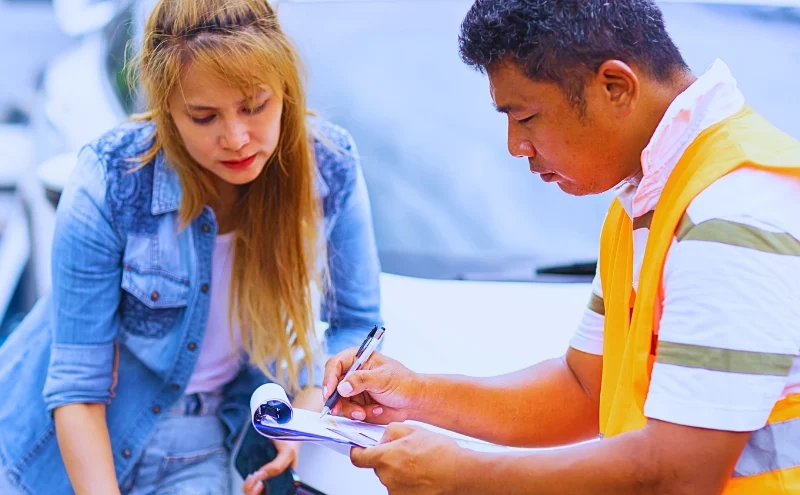
Downtown Naperville’s busy sidewalks, intersections, parking areas, restaurants, retail shops, and entertainment venues create numerous situations where accidents can occur. Identifying the responsible party requires a careful review of where the incident happened, what caused it, and whether someone failed to exercise reasonable care under the circumstances.
If you were injured in or around downtown, speaking with an experienced Naperville injury lawyer can help you understand your legal options. Chute, O’Malley, Knobloch & Turcy can evaluate your claim and explain the next steps. Call 312-775-0042 to schedule a consultation.
Key Takeaways
- Responsibility for an injury depends on who acted negligently under the circumstances.
- Multiple individuals, businesses, or government entities may share liability.
- The location of the accident often affects who may be legally responsible.
- Evidence gathered shortly after an accident can play an important role in proving a claim.
- An experienced attorney can investigate the facts and identify all liable parties.
Why Is Determining Liability So Important?
One of the first questions after an accident is who should be held legally responsible. In personal injury cases, the answer is not always obvious. While some accidents involve a single negligent party, others involve several individuals or entities whose actions contributed to the injury.
Determining liability is important because it affects who may be responsible for paying damages such as medical expenses, lost wages, rehabilitation costs, and pain and suffering. It also influences what evidence must be collected, which insurance policies may apply, and whether additional legal requirements exist, particularly if a government agency is involved.
A thorough investigation helps ensure that all potentially responsible parties are identified before important evidence is lost.
Who Can Be Responsible for Injuries in Downtown Naperville?
Responsibility depends on where the accident occurred and what caused it. Different legal duties apply to drivers, property owners, business operators, contractors, and government entities.
Liable parties include:
- Negligent drivers
- Commercial property owners
- Retail businesses and restaurants
- Parking garage operators
- Property management companies
- Contractors performing construction or maintenance
- Government entities responsible for public property
- Pedestrians or bicyclists whose negligence contributed to the accident
Every case requires a careful review of the facts to determine whether someone failed to act with reasonable care.
Can Property Owners Be Held Responsible?
Property owners have a legal duty to maintain reasonably safe conditions for lawful visitors. When they fail to correct hazardous conditions or warn visitors about known dangers, they may be liable for resulting injuries.
Examples of hazardous conditions include:
- Wet or slippery floors
- Uneven sidewalks
- Broken stairs
- Poor lighting
- Damaged handrails
- Ice or snow accumulation
- Loose flooring
- Obstructed walkways
Not every accident automatically establishes negligence. The injured person generally must show that the property owner knew or reasonably should have known about the dangerous condition and failed to address it within a reasonable time.
What If the Injury Happened on Public Property?
Accidents do not always occur on privately owned property. Sidewalks, public streets, crosswalks, parks, and other municipal areas may fall under the responsibility of a government entity.
When injuries occur on public property, determining liability often requires identifying which agency was responsible for maintaining the area where the accident happened. In some situations, municipalities may have legal protections or notice requirements that differ from claims against private parties.
The downtown Naperville area includes public sidewalks, streets, and other infrastructure maintained by the city. If an injury is alleged to have resulted from unsafe conditions on public property, determining whether the municipality had responsibility for maintaining the area may be an important part of evaluating a claim.
How Do Vehicle Accidents Affect Liability?
Downtown traffic presents unique risks because vehicles, cyclists, and pedestrians often share limited space. Liability typically depends on whether a driver violated traffic laws or otherwise failed to operate a vehicle with reasonable care.
Common examples include:
- Failing to yield at crosswalks
- Distracted driving
- Speeding
- Running stop signs or traffic signals
- Improper turns
- Backing into pedestrians
- Failure to observe pedestrians in parking areas
Evidence such as surveillance footage, witness statements, police reports, and vehicle damage can help establish how the collision occurred.
What About Parking Lot Accidents?
Parking lots may seem less dangerous because vehicles generally travel at lower speeds, but accidents can still result in serious injuries. Drivers are often navigating tight spaces, watching for available parking spots, and sharing the area with pedestrians entering or leaving businesses.
Questions of liability frequently arise when drivers fail to maintain a proper lookout, ignore right-of-way rules, or back out of parking spaces without checking for pedestrians or approaching vehicles. Property owners may also share responsibility if poor maintenance, inadequate lighting, or unsafe traffic flow contributed to the incident.
Who Is Responsible for Pedestrian Accidents?
Pedestrians are especially vulnerable in busy downtown areas where traffic, cyclists, rideshare vehicles, and delivery trucks frequently interact.
Drivers owe pedestrians a duty to remain alert, obey traffic laws, and exercise reasonable care. At the same time, pedestrians also have responsibilities, such as obeying traffic signals and crossing streets safely.
Determining fault often requires examining factors including:
- Crosswalk location
- Traffic signal timing
- Driver speed
- Visibility
- Road conditions
- Witness testimony
- Video surveillance
Visibility can become an even greater concern after sunset, particularly in crowded entertainment districts. Understanding how pedestrian accidents at night affect liability can help explain why careful investigation is so important.
Can More Than One Party Be Responsible?
Illinois follows a comparative fault system, meaning responsibility for an accident may be shared among multiple parties depending on each person’s actions.
For example, a driver may have been speeding while a property owner failed to maintain adequate lighting near a crosswalk. In another situation, a contractor performing sidewalk repairs may have created an unsafe condition that contributed to an injury.
Identifying every responsible party is important because it helps ensure that all available sources of compensation are considered during the claims process.
How Is Fault Determined After an Injury in Downtown Naperville?
Determining who is responsible for injuries in Downtown Naperville requires more than identifying where the accident occurred. The key question is whether a person, business, or other entity failed to exercise reasonable care under the circumstances. Establishing fault often involves examining the actions each party took before the accident, whether the hazard was foreseeable, and whether reasonable steps could have prevented the injury.
Depending on the facts, an investigation may focus on whether a property owner failed to address a dangerous condition, a driver violated traffic laws, a business neglected to maintain safe premises, or another party acted carelessly. In some cases, responsibility may become clear through photographs, surveillance footage, witness statements, incident reports, or maintenance records. These pieces of evidence can help reconstruct how the accident occurred and whether negligence played a role.
Liability is not always limited to one individual or organization. An accident may result from a combination of factors, and multiple parties can share responsibility if their actions contributed to the injury. For example, a business may fail to correct a hazardous condition while a contractor performing nearby work creates additional risks. Identifying every potentially liable party is an important part of building a strong personal injury claim.
Because every accident presents unique circumstances, determining fault requires a careful review of the available evidence and the legal duties owed by each party involved. A thorough investigation helps ensure responsibility is assigned accurately and that injured individuals pursue compensation from the appropriate parties.
What Evidence Helps Determine Liability?
Strong evidence often determines whether an injury claim succeeds. Because accident scenes can change quickly, gathering information as soon as possible is often beneficial.
Important evidence includes:
- Photographs of the accident scene
- Surveillance or security camera footage
- Witness statements
- Police or incident reports
- Medical records
- Property maintenance records
- Inspection reports
- Weather conditions
- Cell phone records when distracted driving is alleged
An attorney may also work with accident reconstruction specialists or other experts when liability is disputed.
Protecting Your Rights After an Injury
Determining who is responsible for injuries in Downtown Naperville often requires a detailed investigation into how the accident occurred, who controlled the property or vehicle involved, and whether reasonable steps were taken to prevent foreseeable harm. Because every accident presents unique facts, identifying all potentially liable parties is an essential part of pursuing fair compensation.
If you were injured because of someone else’s negligence in Downtown Naperville, Chute, O’Malley, Knobloch & Turcy can investigate your case, explain your legal options, and help you pursue the compensation you may be entitled to recover. Call 312-775-0042 today to schedule your consultation with Chute, O’Malley, Knobloch & Turcy.
