
You may be able to sue after an injury at an Illinois apartment complex if the property owner, landlord, management company, or another responsible party failed to maintain reasonably safe conditions and that failure contributed to your injury. Apartment complexes have a legal duty to address known hazards, perform reasonable inspections, and take appropriate steps to protect tenants, guests, and visitors from foreseeable harm.
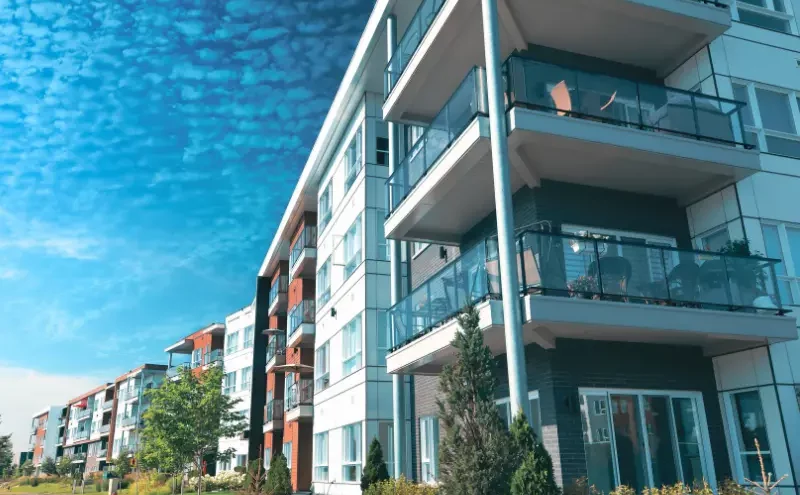
An injury at an Illinois apartment complex can occur in many ways, including slip and falls, inadequate security incidents, stairway accidents, parking lot injuries, and accidents caused by dangerous property conditions. Whether you have a valid claim depends on the circumstances of the incident, the nature of the hazard, and whether negligence played a role.
If you were injured at an apartment complex, Chute, O’Malley, Knobloch & Turcy can help you understand your legal options. Call 312-775-0042 to discuss your situation with an experienced attorney.
Key Takeaways
- Apartment owners and property managers may be liable for injuries caused by unsafe conditions.
- Common apartment complex injury claims involve falls, inadequate security, and maintenance failures.
- Injured tenants, visitors, delivery drivers, and guests may have legal rights.
- Liability often depends on whether the property owner knew or should have known about the dangerous condition.
- Evidence collected shortly after the accident can significantly impact a claim.
- Compensation may be available for medical expenses, lost wages, and other damages.
Can You Sue After an Injury at an Illinois Apartment Complex?
You may be able to sue after an injury at an Illinois apartment complex if the accident was caused by negligence. Property owners and managers can be held responsible when they fail to repair hazards, provide adequate security, maintain common areas, or address dangerous conditions that they knew or should have known about. The success of a claim typically depends on proving that the responsible party’s negligence contributed to the injury.
However, not every injury that occurs at an apartment complex automatically results in a valid lawsuit. The key question is whether the property owner, landlord, management company, or another responsible party failed to act reasonably under the circumstances. Apartment complexes have a legal duty to maintain common areas in a reasonably safe condition for tenants, guests, delivery drivers, and other lawful visitors. When dangerous conditions are ignored or allowed to persist, the property owner may be held financially responsible for the harm that results.
For example, liability may arise when management fails to address a known safety hazard, ignores repeated complaints from residents, or neglects routine inspections that could have identified a dangerous condition before someone was injured. In many cases, the injured person’s ability to recover compensation depends on showing that the hazard was foreseeable and that reasonable steps could have been taken to prevent the accident.
Because every case is different, determining whether you have a valid claim often requires a careful review of how the accident occurred, what caused the injury, and whether negligence played a role.
What Types of Apartment Complex Accidents Lead to Lawsuits?
Apartment complexes contain numerous common areas that residents and visitors use every day. When these areas are not properly maintained, serious injuries can occur. Common apartment complex accidents include:
- Slip and falls
- Stairway accidents
- Elevator accidents
- Parking lot accidents
- Swimming pool injuries
- Falling object injuries
- Dog attacks
- Assaults and criminal attacks
- Fire-related injuries
- Balcony or railing failures
Each type of accident presents unique liability issues, but all generally center on whether a property owner failed to take reasonable steps to prevent foreseeable harm.
Who Can Be Held Responsible for an Apartment Complex Injury?
Determining liability is one of the most important parts of a premises liability claim. Depending on the circumstances, responsible parties may include:
- Property owners
- Landlords
- Property management companies
- Maintenance contractors
- Security companies
- Homeowners’ associations
- Third-party vendors
In some situations, multiple parties may share responsibility for an injury. For example, a property owner may be responsible for maintaining safe premises while a third-party maintenance contractor may be responsible for repairing a hazardous condition that contributed to the accident.
What Must You Prove to Win an Apartment Complex Injury Claim?
Most apartment complex injury cases are based on premises liability law. To recover compensation, an injured person generally must show:
- A dangerous condition existed.
- The property owner knew or should have known about the condition.
- The condition was not repaired or adequately addressed.
- The dangerous condition caused the injury.
- The victim suffered damages.
For example, if a broken stair railing had been reported multiple times but was never repaired, evidence of those complaints may help establish that the property owner had notice of the hazard. The stronger the evidence demonstrating negligence, the stronger the claim.
What Happens If Poor Lighting Contributed to the Accident?
Lighting plays a role in apartment complex safety. Inadequate lighting can make it difficult for residents and visitors to identify hazards such as:
- Uneven sidewalks
- Broken stairs
- Debris
- Curbs
- Obstacles in walkways
Poor visibility can also increase the risk of criminal activity and security-related incidents. Claims involving poor lighting accidents often focus on whether the property owner failed to maintain reasonably safe conditions in areas where residents and guests were expected to walk. Photographs of the area, maintenance records, and witness testimony may be important evidence in these cases.
Can an Apartment Complex Be Liable for Criminal Attacks?
Property owners are not automatically responsible for every crime that occurs on their property. However, they may face liability when foreseeable criminal activity occurs because reasonable security measures were not provided.
These claims are often referred to as negligent security cases. Examples of inadequate security include:
- Broken security gates
- Malfunctioning locks
- Lack of security personnel
- Poor lighting
- Broken surveillance systems
- Unsecured entrances
If previous criminal incidents occurred on the property, property owners may have a greater obligation to implement reasonable security measures.
Can You Sue After a Parking Lot Assault?
Apartment complex parking lots are common locations for accidents and criminal incidents. A parking lot assault may give rise to a negligent security claim if the property owner failed to address known security concerns or ignored conditions that increased the risk of criminal activity. Factors that may be examined include:
- Prior criminal activity at the property
- Security policies
- Lighting conditions
- Surveillance systems
- Access controls
- Maintenance records
These cases often require a detailed investigation into whether the criminal conduct was reasonably foreseeable.
Do Tenants Have Special Rights After an Apartment Complex Injury?
Tenants may have rights under both premises liability law and various housing regulations. Information regarding landlord and tenant rights can help tenants better understand their legal protections and responsibilities. However, an apartment complex injury claim generally focuses on whether negligence caused the injury rather than simply whether a lease provision was violated. Tenants, guests, delivery drivers, and other lawful visitors may all have legal rights depending on the circumstances of the accident.
What Evidence Can Help Prove Your Claim?
Evidence is often critical in apartment complex injury cases because dangerous conditions may be repaired shortly after an accident occurs.
Helpful evidence includes:
- Photographs of the hazard
- Video footage
- Witness statements
- Incident reports
- Medical records
- Maintenance records
- Prior complaints
- Security logs
The sooner evidence is preserved, the easier it may be to establish what caused the accident and who may be responsible. Waiting too long can make it more difficult to gather important information.
What Compensation May Be Available?
If you successfully prove liability, compensation may be available for various losses resulting from the injury. Damages may include:
- Medical expenses
- Future medical treatment
- Lost wages
- Reduced earning capacity
- Pain and suffering
- Rehabilitation expenses
- Disability-related costs
The value of a claim depends on factors such as the severity of the injuries, the extent of medical treatment, and the long-term impact on the victim’s life.
When Should You Contact a Lawyer?
Apartment complex injury cases can quickly become complicated. Property owners and insurance companies may dispute liability, argue that the hazard was obvious, or claim they had no notice of the dangerous condition.
An experienced premises liability lawyer can investigate the accident, preserve evidence, identify responsible parties, and pursue compensation on your behalf. The sooner an attorney becomes involved, the easier it may be to secure evidence before it is lost, altered, or destroyed.
Protecting Your Rights After an Apartment Complex Injury
An injury at an Illinois apartment complex can result in medical expenses, lost income, and lasting physical challenges. Whether the accident involved a slip and fall, inadequate security, poor maintenance, or another dangerous condition, you may have legal options if negligence contributed to your injuries.
Understanding your rights and acting quickly can make an important difference in the outcome of your claim. If you were injured at an apartment complex, contact Chute, O’Malley, Knobloch & Turcy today at 312-775-0042 to discuss your legal options.
