
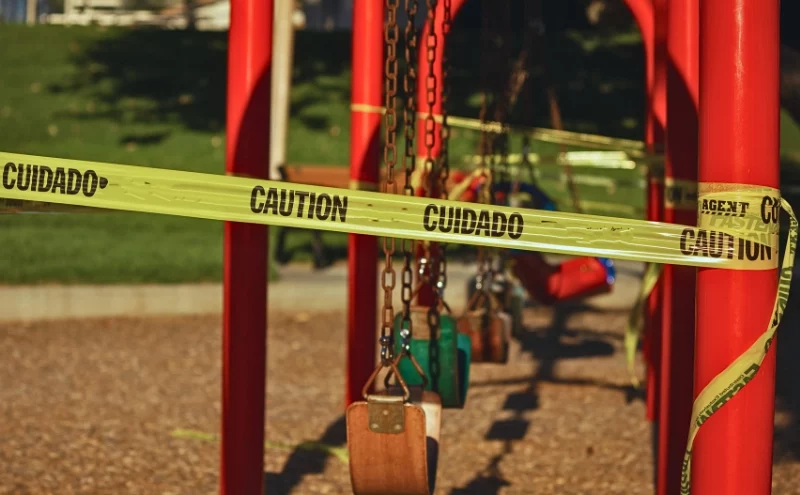
Playgrounds are meant to be places where children can explore, socialize, and stay active. However, when equipment is poorly maintained or improperly designed, these spaces can become hazardous. Unsafe playground equipment remains a cause of childhood injuries, leaving many parents wondering what went wrong and what steps to take next.
If your child has been injured due to unsafe conditions, speaking with an experienced premises liability lawyer can help you understand your legal options. Chute, O’Malley, Knobloch & Turcy is here to help. Call 312-775-0042 today for a consultation.
Key Takeaways
- Unsafe playground equipment can lead to serious injuries, including fractures and head trauma
- Property owners have a duty to maintain safe playground conditions
- Many injuries result from lack of maintenance or failure to meet proper safety guidelines
- Parents can take proactive steps to identify hazards before children play
- Legal action may be available when negligence contributes to an injury
What Makes Playground Equipment Unsafe?
Unsafe playground equipment can take many forms, and not all hazards are immediately visible. While obvious dangers like broken swings or exposed metal edges can be easier to spot, many risks develop over time due to wear, weather exposure, or poor installation. Understanding these hidden and visible dangers can help you better protect your child.
One of the most common issues involves deterioration. Materials used in outdoor playgrounds are constantly exposed to the elements, which can lead to rust, corrosion, or structural weakening. Metal components may become brittle, while plastic parts can crack or fade, reducing their durability and safety.
Another concern is loose or unstable construction. Playground equipment relies on secure connections to remain safe during use. When bolts, screws, or anchors loosen over time, structures can shift unexpectedly. This creates a higher risk of falls or collapses, especially when multiple children are using the equipment at once.
Surface conditions also play a critical role in safety. Proper playground design includes impact-absorbing materials such as rubber mats, engineered wood fiber, or sand beneath equipment. When these surfaces wear down, compact, or are not replenished, they lose their ability to cushion falls. As a result, even a short fall can lead to more serious injuries.
Spacing and layout are additional factors that are often overlooked. Equipment that is placed too close together increases the likelihood of collisions. Children moving quickly between structures may not have enough room to safely navigate, especially in crowded play areas. Proper spacing is essential to reduce these risks.
The absence of protective features can further contribute to unsafe conditions. Guardrails, barriers, and appropriate handholds are designed to prevent falls from elevated platforms. Without these elements, younger children in particular may be exposed to unnecessary danger.
Finally, improper installation or lack of regular inspections can turn even new equipment into a hazard. If a playground is not assembled according to manufacturer guidelines or inspected for compliance, underlying safety issues may go unnoticed. A clean or modern appearance does not always reflect proper maintenance or structural integrity.
By recognizing these risks, you can make more informed decisions about where your child plays and identify hazards before an injury occurs.
How Can Parents Identify Unsafe Playground Equipment?
While not all risks are obvious, there are practical steps you can take to assess a playground before your child begins playing.
Look for:
- Stable and secure structures with no visible damage
- Soft landing surfaces such as rubber mats or mulch
- Equipment that is appropriate for your child’s age group
- Proper spacing between structures to prevent collisions
- Absence of sharp edges or protruding parts
Trust your instincts. If something looks unsafe, it is better to choose a different play area.
What Injuries Are Commonly Caused by Unsafe Playground Equipment?
When equipment fails or does not meet proper guidelines, injuries can occur quickly. Children are especially vulnerable because they may not recognize hazards or react quickly enough to avoid harm.
Common injuries include:
- Broken bones, particularly in the arms and wrists
- Head injuries, including concussions
- Cuts, bruises, and lacerations
- Dislocations and sprains
According to federal guidance on playground safety standards, proper design and maintenance play a key role in preventing these injuries. Unfortunately, not all property owners follow these recommendations consistently.
Who Is Responsible for Playground Injuries in Naperville?
Liability for playground injuries often falls under premises liability law. Property owners, including municipalities, schools, and private organizations, have a legal obligation to keep their premises reasonably safe.
Responsibility may apply if:
- Equipment was not inspected or maintained properly
- Known hazards were not repaired in a timely manner
- The playground failed to meet accepted safety guidelines
- There was inadequate supervision in certain settings
Determining liability can be complex, especially when multiple parties are involved. An investigation may be necessary to identify whether negligence played a role.
When Is It Worth Pursuing a Legal Claim?
Not every playground injury will justify legal action, but there are situations where pursuing a claim is both reasonable and necessary. The key question is whether the injury could have been prevented if the responsible party had taken proper care. Understanding whether a personal injury case is worthwhile depends on the severity of the harm, the presence of negligence, and the overall impact on your child and family.
One of the most important factors is the extent of the injury itself. Minor scrapes or bruises may not rise to the level of a legal claim. However, injuries that require emergency care, follow-up treatment, physical therapy, or long-term monitoring are a different matter. When medical intervention is significant, the financial and emotional toll often justifies exploring your legal options.
Negligence is another critical element. Property owners are expected to maintain safe conditions, especially in areas designed for children. If a hazard was known or should have been discovered through routine inspections, and no action was taken to fix it, that failure may establish liability. For example, leaving broken equipment unrepaired or ignoring worn-out safety surfaces could point to preventable risk.
You may also have a stronger case if the injury has caused meaningful disruption to your child’s daily life. This can include missed school, limited physical activity, or emotional distress such as fear or anxiety about returning to playgrounds. These impacts are often considered alongside physical injuries when evaluating the strength of a claim.
Financial consequences are another important consideration. Medical bills, rehabilitation costs, and even transportation to appointments can add up quickly. In some cases, parents may also lose income if they need to take time off work to care for an injured child. When these losses are directly tied to unsafe conditions, pursuing compensation may be appropriate.
In general, your claim may be stronger if:
- The injury required medical treatment or ongoing care
- The hazard was known but not addressed
- The incident resulted in significant financial or emotional impact
Even if you are unsure whether your situation meets these criteria, it is worth speaking with an attorney. A legal professional can review the facts, assess liability, and help you understand your options so you can make an informed decision about whether to move forward.
How Can a Lawyer Help You Recover Compensation?
Navigating a claim involving unsafe playground equipment can be challenging without legal support. A skilled attorney can investigate the incident, gather evidence, and build a strong case on your behalf.
Legal representation may help you:
- Identify all liable parties
- Calculate the full extent of your damages
- Negotiate with insurance companies
- Pursue litigation if necessary
Working with a legal professional can also improve your ability to maximize compensation for medical expenses, pain and suffering, and other losses.
Protecting Your Child’s Safety and Your Legal Rights
Unsafe playground equipment can turn a routine outing into a stressful and costly experience. Understanding the risks, recognizing hazards, and knowing your legal rights can make a significant difference if an injury occurs.
If your child has been injured, Chute, O’Malley, Knobloch & Turcy can help you explore your options and pursue the compensation you deserve. Call 312-775-0042 today to discuss your case.
