
Whether independent contractors get workers’ compensation in Illinois depends less on job titles and more on how the working relationship actually functions. While the general rule is that independent contractors are not covered, many workers labeled this way may still qualify for benefits under Illinois law.
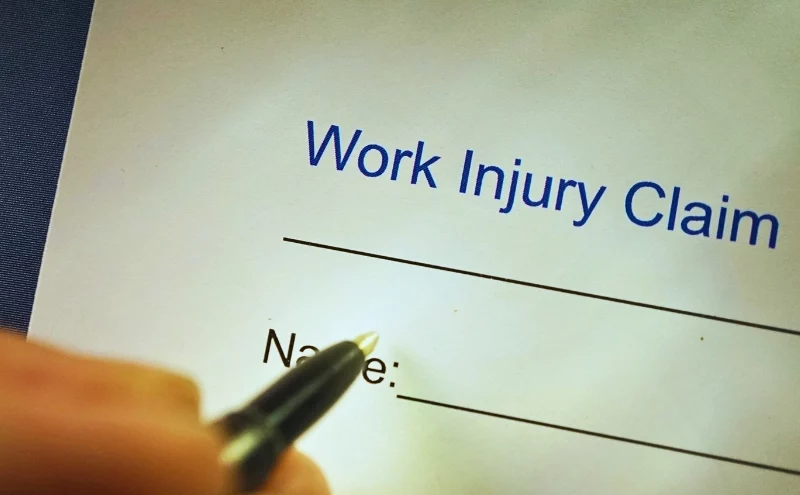
The key issue is classification. If you are treated like an employee in practice, you may be entitled to workers’ compensation even if your employer calls you an independent contractor.
If you need help evaluating your situation, contact Chute, O’Malley, Knobloch & Turcy at 312-775-0042 today.
Key Takeaways
- Independent contractors are usually not covered, but exceptions are common
- Misclassification is a central issue in many claims
- Illinois law focuses on control, not job title
- You may still qualify if your role functions like employment
- Legal classification determines access to benefits
When Do Independent Contractors Get Workers’ Compensation in Illinois?
In most situations, true independent contractors are not eligible for workers’ compensation benefits because they are considered separate business entities rather than employees. They are typically responsible for their own insurance, set their own schedules, and control how their work is performed. Because of this independence, Illinois law does not require employers to provide workers’ compensation coverage for them.
However, the key issue is that legal classification is not determined by job title alone. Illinois law focuses on the actual working relationship, not what the employer chooses to call it. This is where many workers misunderstand their rights.
Even if you signed an agreement identifying you as an independent contractor, that label is not final. Courts and administrative agencies look beyond paperwork to evaluate how the relationship functions in practice. If the facts show that you operate more like an employee than an independent contractor, you may still qualify for workers’ compensation benefits.
This distinction is critical because many workers who believe they are excluded from coverage may actually fall within the protections of the law once their role is properly analyzed.
Why This Issue Is So Common in Illinois Claims
Disputes over whether independent contractors get workers’ compensation often arise because classification affects liability. Employers may classify workers as independent contractors to reduce costs, including avoiding workers’ compensation insurance requirements.
However, if that classification does not reflect the actual working relationship, it can be challenged. When a dispute arises, the focus shifts to evidence of how the work was performed on a daily basis, not how the role was described in a contract.
This is why classification cases often become fact-intensive. Small details, such as who set your schedule or whether you could refuse assignments, can influence whether you are legally considered an employee.
Who Decides Whether You Qualify?
Disputes over classification and eligibility are typically reviewed by the Illinois Workers’ Compensation Commission. This agency evaluates claims based on evidence, testimony, and the overall structure of the working relationship.
The Commission does not rely solely on written agreements. Instead, it examines:
- The degree of control exercised by the employer
- The nature of the work performed
- The consistency of the working arrangement
- The economic relationship between the parties
This means that even if an employer denies your claim based on your classification, that decision can be challenged through the proper legal process.
How Does Illinois Decide if You Are an Employee or Independent Contractor?
The central question in these cases is control. Illinois courts and agencies examine how much control the employer has over your work to determine whether you are truly independent.
This analysis goes beyond a single factor and instead looks at the overall relationship. Key considerations include:
- Whether the employer directs how the work is performed
- Whether you are required to follow company procedures or policies
- Who provides tools, equipment, or materials
- Whether you are paid hourly or by project
- Whether your work is a core part of the business
For example, a worker who must follow a set schedule, use company equipment, and perform ongoing tasks for the business may be functioning as an employee, even if classified otherwise.
This distinction is critical because it determines whether you can access workers’ compensation benefits after an injury.
Why Misclassification Is the Most Important Issue in These Cases
The question of whether independent contractors get workers’ compensation often comes down to misclassification.
Some employers classify workers as independent contractors to reduce costs and avoid obligations such as providing insurance coverage. However, this classification does not control the legal outcome if it does not match the actual working relationship.
If your employer misclassifies you, you may still have the right to file a workers’ compensation claim.
Misclassification is more likely when:
- You perform regular, ongoing work for one company
- Your tasks are essential to the business’s operations
- The employer controls your schedule or work conditions
- You are economically dependent on that employer
When these factors are present, the label “independent contractor” may not hold up under legal scrutiny.
What Benefits Are Available If You Are Reclassified as an Employee?
If you are found to be an employee under Illinois law, you gain access to the full range of workers’ compensation benefits.
These benefits are designed to address both immediate and long-term consequences of a workplace injury and may include:
- Coverage for all reasonable and necessary medical treatment
- Temporary disability payments while you are unable to work
- Permanent disability benefits for lasting impairments
- Vocational rehabilitation if you cannot return to your prior role
These benefits are available regardless of fault, which makes classification especially important. Being properly classified as an employee can be the difference between receiving full coverage and having no access to benefits at all.
What If You Are Truly an Independent Contractor?
If your role meets the legal definition of an independent contractor, workers’ compensation benefits are generally not available through the employer. However, this does not mean you are without options. Your ability to recover compensation depends on how the injury occurred.
For example, if a third party caused your injury, you may be able to pursue a personal injury claim instead. This can include situations involving unsafe job sites, defective equipment, or negligence by another company.
Understanding the difference between these legal paths is important because workers’ compensation and personal injury claims operate under different rules and provide different types of recovery.
Why Classification Disputes Often Determine the Outcome of a Claim
In cases involving independent contractors, the outcome often depends entirely on classification. Before benefits can even be considered, it must be established whether you qualify as an employee under Illinois law.
This makes evidence especially important. Documentation of your work conditions, communication with your employer, and the structure of your job all play a role in how your case is evaluated.
Even small details can influence the analysis, such as whether you were required to follow specific instructions or whether you had the freedom to accept or decline work. Because of this, classification disputes are often the central issue in determining whether independent contractors get workers’ compensation.
How Legal Representation Affects Classification and Benefit Claims
Classification cases are rarely straightforward. Employers and insurers may argue that a worker is independent to avoid liability, while the worker may believe they functioned as an employee. Working with experienced workers’ compensation lawyers can help clarify this issue and present a strong argument based on the facts.
Legal representation is particularly important when:
- The employer disputes your employment status
- There is limited documentation of your work arrangement
- Multiple parties are involved in the job structure
- Benefits are denied based on classification alone
In these situations, the ability to properly frame the working relationship can directly affect whether benefits are awarded. Additionally, following practical tips for your workers’ comp case can help ensure that your claim is supported by consistent documentation and a clear timeline.
Independent contractors do not always fall outside the protections of workers’ compensation law. In many cases, the outcome depends on how your role is classified under Illinois law and whether your working conditions reflect true independence. If you have questions about workers’ comp and need clarity on your rights, contact Chute, O’Malley, Knobloch & Turcy at 312-775-0042 today.
