
A tragic accident at a Naperville train station has brought renewed attention to the dangers railroad workers face, and the complex legal questions that arise when a contractor is killed on the job. The train struck and killed a worker who was removing snow at the Naperville Metra station located at 105 4th Avenue, according to ABC7 Chicago. The incident occurred during routine maintenance operations, underscoring the life-threatening risks inherent in railroad work.
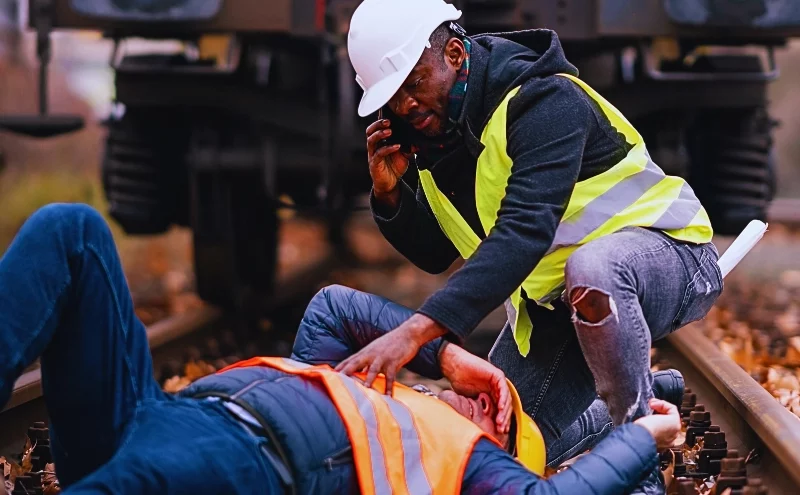
When a contractor dies in a train accident, determining liability becomes a multifaceted legal challenge involving federal railroad safety laws, workers’ compensation statutes, and third-party negligence claims. Families grieving such a profound loss deserve answers and the legal accountability that comes with them.
If you’ve lost a loved one in a railroad accident, the attorneys at Chute, O’Malley, Knobloch & Turcy can help you understand your rights under Illinois law. Call us at (312) 775-0042 for a consultation.
The Naperville Train Station Tragedy
The fatal accident occurred at the Naperville Metra station on 4th Avenue, a busy transit hub serving the Chicago metropolitan area. According to reports, the worker was engaged in snow removal operations when the train struck. The precise circumstances, including whether safety protocols were followed, adequate warnings were provided, or visibility was compromised, remain under investigation.
Railroad work is among the most dangerous occupations in the United States. Contractors performing track maintenance, snow removal, and other essential tasks face constant exposure to moving trains, electrical hazards, heavy equipment, and severe weather conditions. In Illinois, where winter weather frequently requires emergency track maintenance, these dangers intensify.
Who Can Be Held Liable in a Railroad Contractor Death?
Liability in railroad contractor fatalities depends on employment status, the cause of the accident, and whether safety regulations were violated.
The Railroad Company
Railroad companies owe a duty of care to contractors working on or near their tracks. If negligence contributed to the worker’s death, such as failure to provide adequate warning of approaching trains, insufficient safety equipment, or violations of Federal Railroad Administration (FRA) safety standards, the railroad may be held liable. Unlike typical workplace accidents, railroad workers and contractors may have claims under the Federal Employers’ Liability Act (FELA) rather than state workers’ compensation, depending on their employment classification.
The Contracting Company
If the deceased worker was employed by a third-party contractor hired to perform snow removal or maintenance, that company may bear responsibility. Contractors must provide proper training, adequate safety equipment, and compliance with Occupational Safety and Health Administration (OSHA) regulations and railroad-specific safety protocols. Failure to ensure safe working conditions, inadequate supervision, or rushing work without proper safety measures could constitute negligence.
Equipment Manufacturers
Defective safety equipment, such as malfunctioning warning systems, defective personal protective equipment, or faulty communication devices, could give rise to product liability claims against manufacturers or distributors.
Multiple Parties
Railroad accidents often involve shared fault. A comprehensive investigation may reveal that the railroad company, the contracting employer, equipment manufacturers, and even government entities responsible for track maintenance or safety oversight all contributed to the conditions that led to the tragedy.
Legal Framework Under Illinois and Federal Law
Railroad worker deaths fall under a unique legal framework that differs from standard workplace injury claims.
Federal Employers’ Liability Act (FELA)
FELA is a federal law that allows railroad workers, including some contractors, to sue their employers for negligence. Unlike workers’ compensation, which provides benefits regardless of fault but limits recovery, FELA requires proving the employer’s negligence contributed to the injury or death. FELA claims can result in compensation for medical expenses, lost wages, pain and suffering, and loss of enjoyment of life. For families, FELA wrongful death claims can provide recovery for loss of financial support, loss of companionship, and funeral expenses.
Workers’ Compensation vs. Third-Party Claims
If the worker does not qualify under FELA, for example, if they were employed by a non-railroad contractor, Illinois workers’ compensation may apply. Workers’ compensation provides death benefits to surviving family members but prohibits lawsuits against the employer. However, third-party liability claims against the railroad, equipment manufacturers, or other negligent parties remain available and can provide substantially greater compensation.
Illinois Wrongful Death Act
When negligence causes a fatality, Illinois law allows designated family members to bring wrongful death claims. These claims can recover damages for the victim’s pain and suffering before death, medical expenses, funeral costs, and the family’s loss of financial support and companionship.
The Investigation Process
Railroad fatalities trigger multi-agency investigations. The National Transportation Safety Board (NTSB), FRA, OSHA, and local authorities typically examine the accident scene, review safety protocols, interview witnesses, and analyze whether violations of federal or state safety regulations occurred. These investigations can take months, and their findings often form the foundation of liability claims.
Evidence preservation is critical. Railroad companies may quickly repair tracks or remove equipment, destroying crucial evidence. Families should consult experienced attorneys immediately to ensure evidence is secured and their rights are protected.
Challenges Families Face in Railroad Death Cases
Railroad accident cases present unique legal obstacles. Determining whether FELA or state law applies, navigating federal regulations, confronting well-funded railroad legal teams, and meeting strict filing deadlines require specialized legal knowledge. Additionally, railroad companies and contractors often carry substantial insurance and employ aggressive defense strategies to minimize payouts.
Families dealing with sudden, traumatic loss face emotional devastation alongside financial strain. The deceased may have been the primary breadwinner, leaving survivors without income or benefits. Medical bills, funeral expenses, and long-term financial uncertainty compound the grief.
Moving Forward After an Unthinkable Loss
No legal outcome can restore a lost loved one, but accountability and fair compensation can provide families with financial stability and a sense of justice. Holding negligent parties responsible also promotes safer working conditions, potentially preventing future tragedies.
The Naperville train accident serves as a sobering reminder that railroad work remains perilously dangerous despite modern safety advances. Contractors and railroad workers who keep our transportation systems running deserve adequate protection, proper training, and safe working environments. When those safeguards fail, the law provides recourse for grieving families.
If you’ve lost a family member in a railroad accident in Naperville or anywhere in Illinois, Chute, O’Malley, Knobloch & Turcy is here to help. Our experienced attorneys understand the complexities of railroad liability law and are committed to fighting for the compensation your family needs. Contact us today at 312-775-0042 to discuss your case.
