
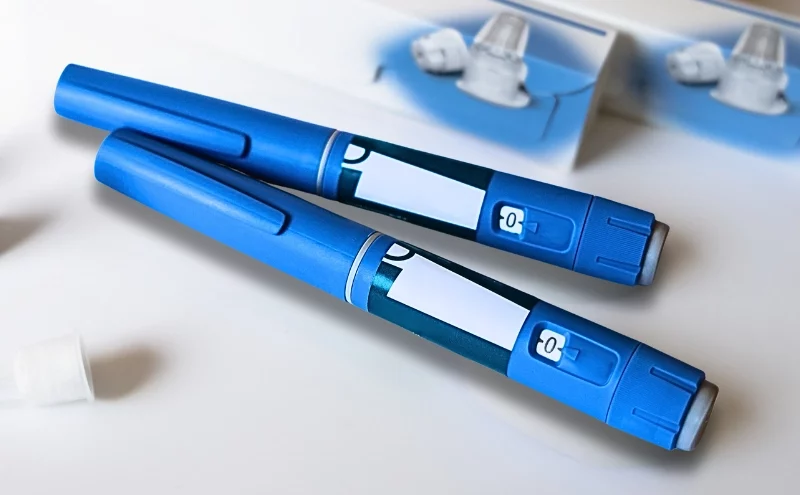
Ozempic and similar GLP-1 receptor agonist medications have transformed diabetes and weight management treatment, but mounting evidence reveals serious long-term health risks that many patients were never warned about. Recent medical reporting highlights concerns about gastroparesis, intestinal b lockages, and other severe gastrointestinal complications that can persist long after patients stop taking these drugs. For Naperville residents who have suffered unexpected health complications from Ozempic, understanding both the medical dangers and your legal rights under Illinois product liability law is essential.
If you or a loved one has experienced serious side effects from Ozempic or similar medications, the experienced product liability attorneys at Chute, O’Malley, Knobloch & Turcy can help you understand your options. Call us at 312-775-0042 for a free consultation about your case.
Understanding Ozempic’s Growing Safety Concerns
Ozempic (semaglutide) was initially approved by the FDA for type 2 diabetes management, with the related drug Wegovy approved for weight loss. These medications work by mimicking a hormone that slows digestion and reduces appetite. While effective for their intended purposes, medical experts are increasingly documenting severe gastrointestinal complications that extend far beyond the temporary nausea manufacturers warn about.
According to recent medical analysis, patients have reported debilitating conditions including gastroparesis, a form of stomach paralysis that prevents proper digestion, as well as severe constipation, intestinal blockages, and chronic vomiting. What makes these complications particularly concerning is their potential permanence. Some patients continue experiencing these conditions even after discontinuing the medication, fundamentally altering their quality of life and ability to maintain proper nutrition.
The medical community has also raised concerns about inadequate warning labels. Many patients report they were never informed about the possibility of persistent gastrointestinal damage or the severity of complications before beginning treatment.
Long-Term Health Complications Linked to GLP-1 Medications
The spectrum of reported long-term dangers associated with Ozempic and similar drugs includes conditions that can severely impact daily functioning:
Gastroparesis represents one of the most serious complications. This condition leaves patients unable to digest food normally, causing persistent nausea, vomiting, bloating, and severe abdominal pain. For some individuals, gastroparesis requires hospitalization, feeding tubes, or other intensive medical interventions. The condition can make it nearly impossible to maintain adequate nutrition.
Intestinal blockages have required emergency surgical intervention in multiple cases. These obstructions can be life-threatening and may result in permanent damage to the digestive system.
Severe malnutrition and dehydration often develop as secondary complications when patients cannot keep food or liquids down. This can lead to dangerous electrolyte imbalances, muscle wasting, and organ stress.
Medical researchers continue investigating other long-term effects, including thyroid complications and pancreatitis. The full scope of these medications’ long-term impact may not be understood for years, leaving many current patients at risk for undisclosed complications.
For Naperville patients who trusted their healthcare providers and medication manufacturers, discovering these severe and potentially permanent side effects can be life altering, both physically and financially, as ongoing medical treatment becomes necessary.
Product Liability Law and Pharmaceutical Manufacturer Responsibility
Under Illinois product liability law, pharmaceutical manufacturers have a legal duty to ensure their products are reasonably safe and to provide adequate warnings about known risks. When companies fail to meet these obligations, they may be held liable for resulting injuries.
Product liability claims involving medications like Ozempic typically fall into several categories. Failure to warn claims arise when manufacturers know or should know about serious risks but fail to adequately communicate those dangers to patients and healthcare providers. If Ozempic’s manufacturer possessed information about gastroparesis and other severe gastrointestinal complications but provided insufficient warnings, injured patients may have grounds for legal action.
Design defect claims question whether the medication’s formulation is unreasonably dangerous even when used as intended. If the risks of permanent digestive damage outweigh the benefits for certain patient populations, the fundamental design of the drug may be called into question.
Manufacturing defect claims can arise if specific batches of medication were contaminated or improperly produced, though these are less common in pharmaceutical cases.
In Illinois, product liability cases operate under strict liability principles for certain claims. Therefore, injured patients may not need to prove the manufacturer was negligent. Instead, they need only that establish that the product was defective and caused harm.
Patients who have suffered serious complications may be entitled to compensation for medical expenses, lost wages, pain and suffering, and diminished quality of life. When injuries are permanent, compensation may also address future medical needs and long-term care requirements.
Frequently Asked Questions
Can I file a claim if I’m still taking Ozempic?
You don’t need to stop taking medication to explore your legal rights, though you should consult your healthcare provider about any concerns. A mass tort attorney can evaluate your case even if you’re currently using the drug and experiencing complications.
What if my doctor prescribed Ozempic off-label for weight loss?
Product liability claims focus on the manufacturer’s duty to warn about risks, not how the medication was prescribed. If you suffered serious complications that were inadequately warned about, you may still have a valid claim regardless of whether your use was on-label or off-label.
How long do I have to file an Ozempic injury lawsuit in Illinois?
Illinois generally allows two years from when you discovered or reasonably should have discovered your injury. Because this deadline can be complex with gradually developing conditions, consulting an attorney promptly is essential to protect your rights.
Protecting Your Legal Rights After Ozempic Complications
Many Naperville residents facing mounting medical bills and ongoing health problems wonder whether pursuing legal action is worth the effort. When pharmaceutical companies prioritize profits over patient safety by failing to provide adequate warnings, holding them accountable serves both individual justice and broader public health interests. Successful product liability claims can force manufacturers to improve warning labels, ultimately protecting future patients from similar harm.
The Naperville Ozempic lawyers at Chute, O’Malley, Knobloch & Turcy have extensive experience handling complex pharmaceutical injury cases. We understand the medical and scientific evidence required to prove these claims and work with leading medical experts to build compelling cases for our clients.
If you have experienced serious gastrointestinal complications or other severe side effects from Ozempic, don’t wait to explore your legal options. Call Chute, O’Malley, Knobloch & Turcy at 312-775-0042 today for a free, confidential consultation about your product liability claim.
