
Wet roads lead to Naperville collisions. Rain creates a hazardous driving environment, with poor visibility and slick surfaces often leading to accidents and injuries. Many hydroplaning incidents can be avoided through safe driving and proper vehicle upkeep.
If you’ve been hurt in a weather-related crash, reach out to Chute, O’Malley, Knobloch, and Turcy, LLC at (312) 775-0042.
Common Causes of Hydroplaning and Wet-Road Crashes in Naperville
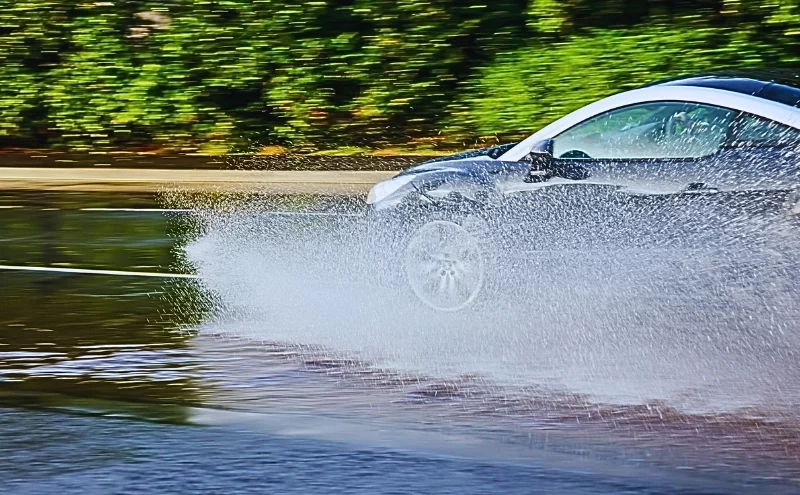
Hydroplaning occurs when wet road conditions, high speeds, and inadequate tire grip cause tires to lose contact with the surface. This happens when water accumulates faster than tires can disperse it, causing them to float on a water layer. It is more common during heavy rain, at higher speeds, or with worn tires.
Here are the key wet road collision causes:
Speed
Driving too fast for wet conditions is the leading cause of Naperville hydroplaning accidents. Even at speeds as low as 30 to 35 mph, tires may struggle to displace water, often leading to delivery driver accidents. Many drivers mistakenly believe hydroplaning only occurs at high speeds.
Water Depth
The depth of water on the road is crucial. Just 0.1 inch of water can cause loss of traction, and significant puddles or standing water pose a risk, especially at higher speeds. The deeper the water, the greater the chance of hydroplaning.
Tire Condition
Tires are essential for preventing hydroplaning. Those with deep treads can channel water away more effectively, while worn or bald tires are much more susceptible. If your tires are in poor condition or improperly inflated, you’re at greater risk.
Vehicle Weight and Type
Lighter vehicles are often more prone to hydroplaning because less weight is pressing down on the tires. Heavier vehicles can sometimes handle water better, but if they hydroplane, control can be difficult due to their mass.
Driving Actions
Abrupt movements like sudden acceleration, hard braking, or rapid steering can cause tires to lose grip on wet roads, increasing the likelihood of hydroplaning. Smooth driving is essential to maintain control.
How Flooded Streets Increase the Risk of Serious Collisions
In the U.S., weather-related crashes make up almost 21% of all incidents, with rain causing 70% of those. In 2022, Illinois reported over 16,000 weather-related accidents, primarily due to rain.
Loss of Control
Flooded streets pose risks for accidents as water compromises vehicle control and road stability. Even a small amount of water can cause hydroplaning, making it hard to steer or stop. This loss of traction can result in skidding, spinning out, or rolling over.
Uncontrolled vehicles may collide with cars, or stationary objects, or result in pedestrians getting hit in a crosswalk, leading to injuries like traumatic brain injuries, internal damage, or even fatalities.
Hidden Hazards
Flooded roads hide numerous dangers. Water can cover hazardous potholes, eroded road surfaces, or absent manhole covers. Navigating these concealed threats may lead to serious accidents, vehicle damage, or leave drivers and their passengers stranded in dangerous situations.
Can Drivers Be Held Liable for Crashes on Flooded or Wet Roads?
In Illinois, drivers may be held liable for accidents that occur on wet roads if their behavior is deemed negligent. Drivers should modify their driving according to the conditions. Simply experiencing bad weather does not automatically relieve a driver of their responsibility to operate a vehicle safely, similar to the scrutiny after a DUI crash.
Determining Liability in Adverse Conditions
In Illinois, liability is assessed based on the principle of negligence, which refers to not acting as a reasonable person would in similar situations. During adverse weather, such as rain or flooding, a “reasonable person” is expected to take additional precautions.
Here are some factors that could help your car accident lawyer demonstrate negligence:
- Driving too fast for the conditions: While adhering to the posted speed limit may be safe in clear weather, it can be considered negligent if it’s unsafe under wet or flooded circumstances.
- Not increasing the following distance: It’s essential for drivers to maintain a greater distance from other vehicles to accommodate longer stopping distances on slippery surfaces.
- Hydroplaning due to speeding or abrupt maneuvers: Losing control of a vehicle from hydroplaning can still be deemed a fault if the driver didn’t take proper caution.
- Failure to use headlights or windshield wipers: Illinois law mandates that headlights must be activated whenever the windshield wipers are in operation.
- Driving a poorly maintained vehicle: If an accident happens due to bald tires or brake issues on wet roads, the driver may be found negligent for not properly maintaining their vehicle.
- Disregarding warnings or road closures: Deciding to drive into clearly marked flooded areas or ignoring weather-related warnings can also be considered negligent behavior.
Awareness of adverse weather risks can help you prepare and reduce the chances of collisions. However, accidents can still occur due to uncontrollable factors. If you’ve been in a weather-related crash and want to avoid the hidden costs of a car accident, contact us at Chute, O’Malley, Knobloch, and Turcy, LLC for a Naperville car accident lawyer to help you seek compensation.
Frequently Asked Questions
Will my car insurance cover flooding or accidents on wet roads?
Coverage varies by policy. In Illinois, liability insurance is required and covers damage or injuries to others, not your own vehicle. Collision insurance covers accident-related damage, while comprehensive coverage pays for non-collision issues like flood damage.
What steps should I take right after an accident on a wet or flooded road?
Make sure all occupants are safe and call emergency services if anyone is hurt. If it’s safe to do so, relocate to a higher area, exchange necessary information with others involved, and notify your insurance company about the incident as soon as you can.
What are typical errors made by drivers that can cause accidents on wet roads?
Common errors include driving too fast for the wet conditions, tailgating other vehicles, using tires that lack adequate tread, and not reducing speed when approaching areas with standing water.
