
A worker was recently injured at the North Main Street water main replacement site in downtown Edwardsville, Illinois. The Kamex employee was preparing to install a valve when the incident occurred, according to city officials. While details about the nature or severity of the injury have not yet emerged, this incident serves as an important reminder that even routine municipal infrastructure work carries real risks for the people doing the job.
If you’ve been injured on the job, contact our workers’ compensation lawyer at Chute, O’Malley, Knobloch & Turcy, LLC, today at 312-775-0042 for a free consultation to discuss your rights.
Key Takeaways:
- Workers injured on public works projects in Illinois are generally entitled to workers’ compensation benefits regardless of fault
- Reporting injuries immediately and seeking medical attention protects both your health and your legal rights
- When multiple contractors work on the same project, determining which company’s insurance applies can get complicated
- Illinois law sets strict deadlines for reporting workplace injuries and filing claims
- Speaking with a workers’ compensation lawyer early can help you understand your options and avoid costly mistakes
What Happened in Edwardsville?
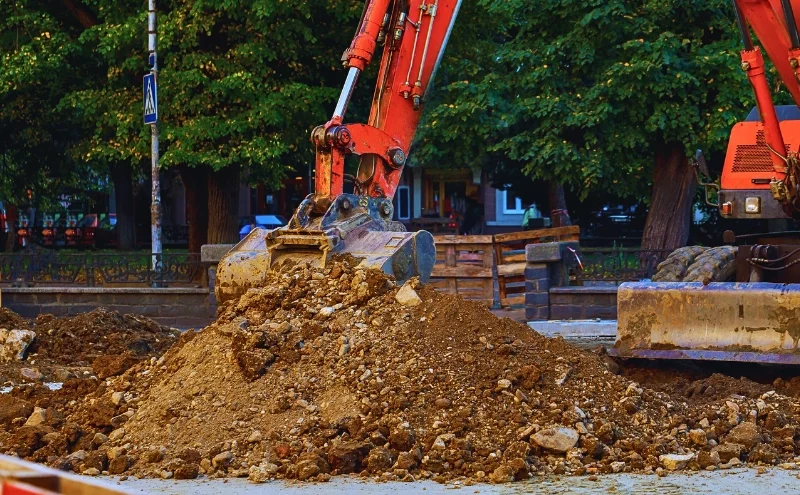
The construction site accident occurred at a major infrastructure project in downtown Edwardsville. The North Main Street water main replacement initiative involves removing a water main dating back more than a century, along with streetscape improvements and pedestrian accessibility upgrades.
It was confirmed that the worker was in the process of valve installation when something went wrong. Emergency services responded to a 911 call and assessed the employee on-site before transporting him for further medical evaluation.
For workers across Illinois who perform similar tasks every day, this story hits close to home. Water main projects, road work, and utility installations are essential to keeping our communities running, but they come with hazards that aren’t always visible until something goes wrong.
Common Hazards on Public Works and Infrastructure Projects
Public works projects present unique dangers that differ from typical private construction sites. Workers on municipal infrastructure jobs often face:
Trenching and Excavation Risks
Even shallow trenches can collapse without warning. Cave-ins remain one of the leading causes of fatal construction injuries nationwide.
Underground Utility Conflicts
Gas lines, electrical conduits, and telecommunications cables may not always appear on site maps correctly, creating unexpected hazards during excavation.
Heavy Equipment and Machinery
Excavators, backhoes, pipe-laying equipment, and other machinery require constant vigilance. Valve installation work, like the task performed in Edwardsville, often involves maneuvering heavy components in tight spaces.
Traffic Exposure
Many public works projects occur along active roadways, putting workers at risk of strikes from passing vehicles.
Weather and Environmental Conditions
Outdoor work exposes crews to heat illness, cold stress, and slip-and-fall hazards from wet or icy surfaces.
Understanding these risks helps injured construction workers recognize that their injuries often result from job conditions rather than personal carelessness.
How Workers’ Compensation Applies to Construction Injuries in Illinois
Illinois workers’ compensation law provides benefits to employees injured on the job without requiring proof that the employer did anything wrong. This no-fault system means you can receive compensation even if your own actions contributed to the accident.
Workers’ comp benefits typically include:
- Medical treatment coverage for all reasonable and necessary care related to your injury
- Temporary total disability payments if you cannot work during your recovery
- Permanent partial or total disability benefits if you suffer lasting impairments
- Vocational rehabilitation assistance if you cannot return to your previous job
Your eligibility for benefits generally depends on your employment classification and the circumstances of your injury. Most construction workers qualify, though those classified as independent contractors may face additional challenges.
If you’re unsure whether you qualify after a jobsite injury, consulting with an attorney can help clarify your situation before important deadlines pass.
When Multiple Contractors Are Working on the Same Project
Large public works projects like the Edwardsville water main replacement often involve several contractors, subcontractors, and government entities working together. This can create confusion when a worker suffers an injury because responsibility isn’t always straightforward.
Workplace injuries involving subcontractors raise important questions:
- Which company’s workers’ compensation insurance covers your claim?
- Did another contractor’s negligence contribute to your injury?
- Could you pursue a third-party claim in addition to workers’ compensation benefits?
In some situations, injured workers may seek compensation beyond workers’ comp by filing a separate claim against a negligent third party. This might include a general contractor who failed to maintain safe conditions, an equipment manufacturer whose product malfunctioned, or a property owner who knew about hazards but didn’t address them.
A construction accident lawyer can evaluate whether additional claims may apply to your circumstances.
Frequently Asked Questions
Can I file a workers’ compensation claim if I was partially at fault for my construction injury?
Illinois workers’ compensation is a no-fault system. As such, you can receive benefits even if your own actions contributed to the accident. The only exceptions involve injuries caused by intoxication or intentional self-harm.
What if my employer says I’m an independent contractor?
Employers sometimes misclassify workers to avoid providing benefits. If you performed work like an employee, such as following set hours, using company equipment, and adhering to company procedures, you may still qualify for workers’ compensation regardless of how you were classified on paper.
How long do I have to report a construction injury to my employer?
Illinois law requires you to notify your employer within 45 days of the injury. However, reporting immediately is always best. Delays can raise questions about the severity or cause of your injury and may complicate your claim.
Take the First Step Toward Recovery
Dealing with a jobsite injury is stressful enough without the added burden of navigating a complicated claims process alone. Whether you were hurt on a public works project, a commercial construction site, or another worksite in Illinois, you need guidance from someone who will advocate for your interests.
Chute, O’Malley, Knobloch & Turcy, LLC is here to help. Contact us at 312-775-0042 or visit our Naperville office to learn how we can support you through this difficult time.
